Conclusion: The Dual Nature of Social Media
Social media is powerful—it can inform, inspire, and unite people, but it can also mislead, divide, and endanger. Understanding both sides helps us use it responsibly, especially during global conflict.
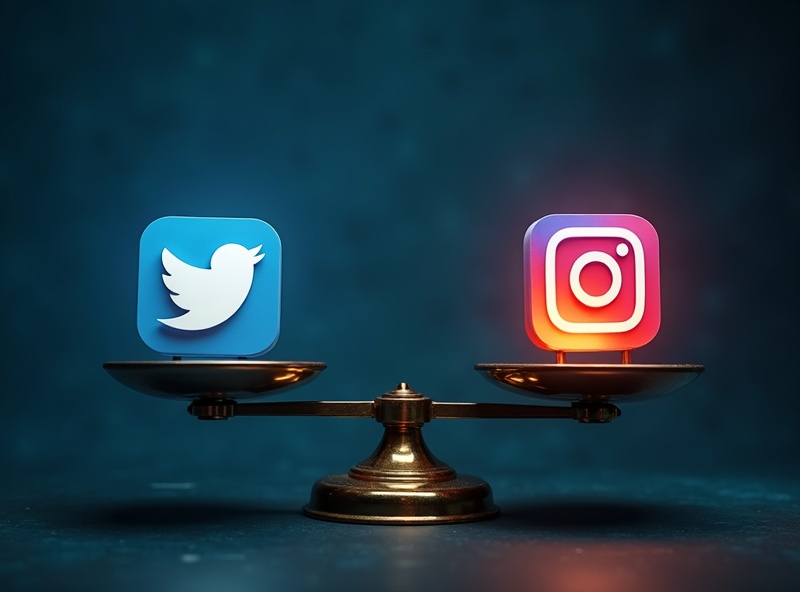
Final Reflection
Social media is not just a platform. It is a weapon, a tool, and a voice. How it is used can influence real-world outcomes.
The same technology that spreads misinformation can also expose truth. The platforms that create anxiety can also mobilize humanitarian aid. Understanding this duality is essential for navigating the digital age responsibly.
Looking to the Future
Experts predict that future conflicts will rely even more on digital platforms, making media literacy essential.
AI and Deepfakes
Artificial intelligence will make it increasingly difficult to distinguish real content from fabricated material. Deepfake technology could create convincing false videos of leaders or events.
Challenge: Developing better detection tools and teaching critical evaluation skills
Platform Regulation
Governments and international bodies will likely increase regulation of social media platforms, balancing free speech with preventing harm.
Challenge: Creating effective policies without enabling censorship or limiting legitimate expression
Digital Literacy
Education systems will need to prioritize teaching people how to critically evaluate online information and recognize manipulation tactics.
Opportunity: Empowering citizens to be informed, critical consumers of digital content
Global Cooperation
International collaboration will be necessary to address cross-border misinformation campaigns and establish shared standards for online behavior during conflicts.
Opportunity: Creating unified approaches to combat harmful content while protecting human rights
Key Takeaways
Social Media Has Transformed Conflicts
Digital platforms have fundamentally changed how conflicts unfold, are documented, and are perceived globally. This transformation is irreversible and will only intensify.
Both Benefits and Risks Are Real
Social media genuinely saves lives through emergency communication and humanitarian coordination, while simultaneously enabling misinformation and psychological harm.
Critical Thinking Is Essential
The ability to evaluate sources, recognize manipulation, and think critically about online content is now a fundamental life skill, not an optional extra.
Individual Responsibility Matters
Every person who shares, likes, or comments on conflict-related content plays a role in shaping narratives and outcomes. Responsible use is crucial.
The Future Requires Adaptation
As technology evolves, our approaches to managing social media's role in conflicts must also evolve. Continuous learning and adaptation are necessary.
Moving Forward Responsibly
Social media's role in modern conflicts is neither purely good nor purely bad—it is a reflection of how we choose to use it.
By understanding its power, recognizing its risks, and committing to responsible use, we can harness social media's potential to inform, connect, and help people while minimizing its capacity for harm.
"With great connectivity comes great responsibility."
The future of social media in conflicts depends on the choices we make today—as individuals, communities, and societies.