Misinformation and Propaganda
While social media spreads awareness, it also spreads false information. Governments, groups, or individuals may manipulate online content to shape public opinion.
Why False Information Spreads Easily
Emotional or shocking posts get more clicks, leading algorithms to boost them—even if they are fake.
Social media algorithms prioritize engagement over accuracy, creating an environment where sensational content—regardless of its truthfulness—receives more visibility than factual but less engaging information.
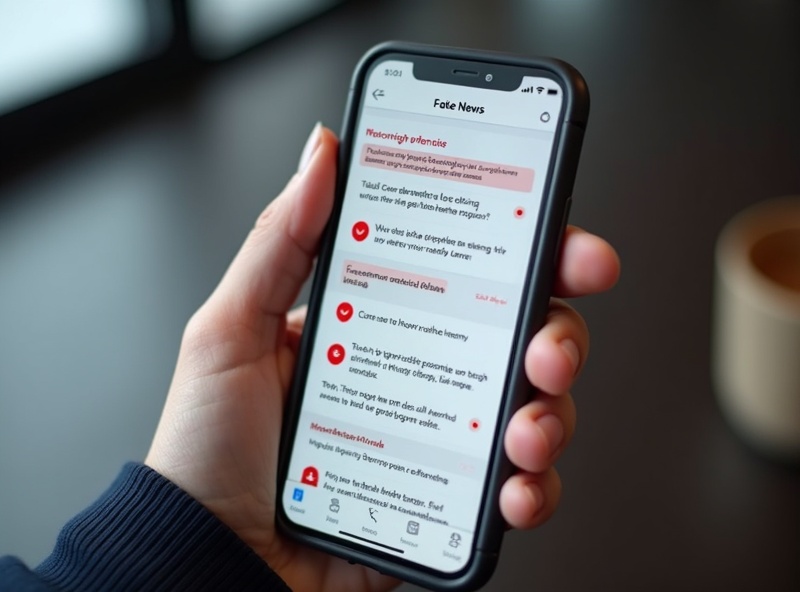
Misinformation Evidence
More Likely to be Shared
A MIT study found false news is 70% more likely to be retweeted than true news on social platforms.
Recycled Footage
During recent conflicts, several viral videos turned out to be reused footage from older wars.
Types of Misinformation in Conflicts
Doctored Media
Edited photos and videos to mislead viewers
Old Content
Recycling footage from previous conflicts
False Context
Real content with misleading location or date
Bot Networks
Automated accounts amplifying false narratives
Common Propaganda Tactics
Emotional Manipulation
Using emotionally charged content to bypass critical thinking and drive immediate reactions. This includes graphic imagery, appeals to fear, and content designed to trigger anger or sympathy.
Echo Chambers
Creating closed information environments where users only see content that confirms their existing beliefs, making them more susceptible to false narratives.
Speed Over Accuracy
Prioritizing being first to share information over verifying its accuracy, knowing that corrections rarely receive the same attention as initial false claims.
How to Identify Misinformation
Red Flags to Watch For
- Emotional language designed to provoke strong reactions
- Lack of credible sources or verification
- Poor image or video quality that could hide editing
- Claims that seem too extreme or convenient
Verification Steps
- Cross-check with multiple reliable news sources
- Use reverse image search to check photo origins
- Check fact-checking websites and organizations
- Look for official statements from credible authorities